Toddler first words, everyday activities to build vocabulary
Simple everyday ways to help toddlers aged 12 to 36 months learn new words, from narrating your day and reading to songs and the power of the pause.
In this article
The best way to help a toddler learn words is to talk with them throughout ordinary moments: narrate what you are doing, name the things they look at, read together every day, sing songs, and then pause long enough for them to have a go. You do not need special equipment or lessons. Toddlers between 12 and 36 months learn language through lots of warm, back-and-forth talk with the people who love them, and most of that can happen while you are making lunch or getting dressed.
Here are the habits that make the biggest difference, with easy examples for each one.
How can I help my toddler learn new words?
Think of it as surrounding your toddler with words they can connect to real things. These five habits cover most of it.
Narrate your day
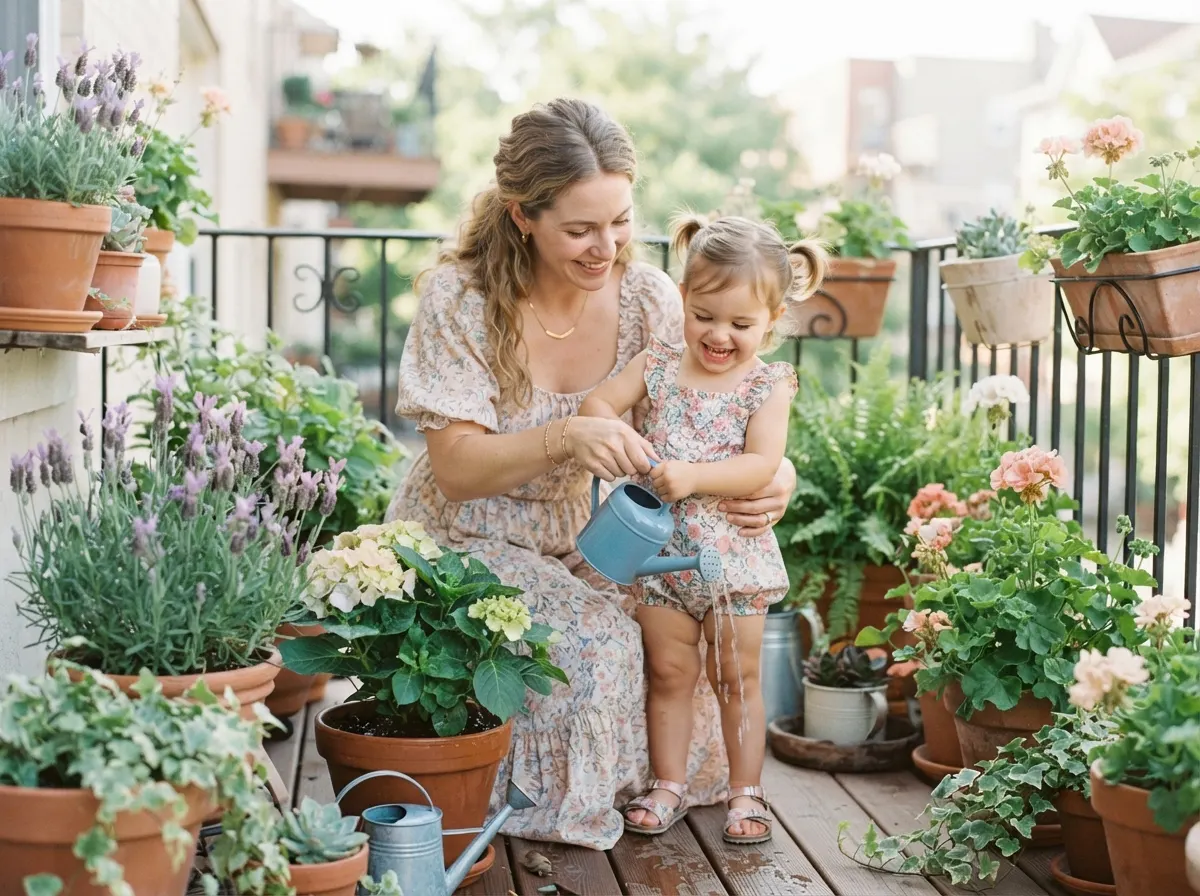
Talk about what you are doing as you do it, in short, simple sentences. It might feel strange at first, but your toddler is listening.
- "I am cutting the banana. Cut, cut, cut. Now it is in pieces."
- "Socks on. One sock, two socks. Now shoes."
- "The water is warm. Splash!"
Keep sentences a little longer than your toddler's. If they say one word, use two or three. If they say "car", you might say "Red car. Fast car!"
Name everything they look at
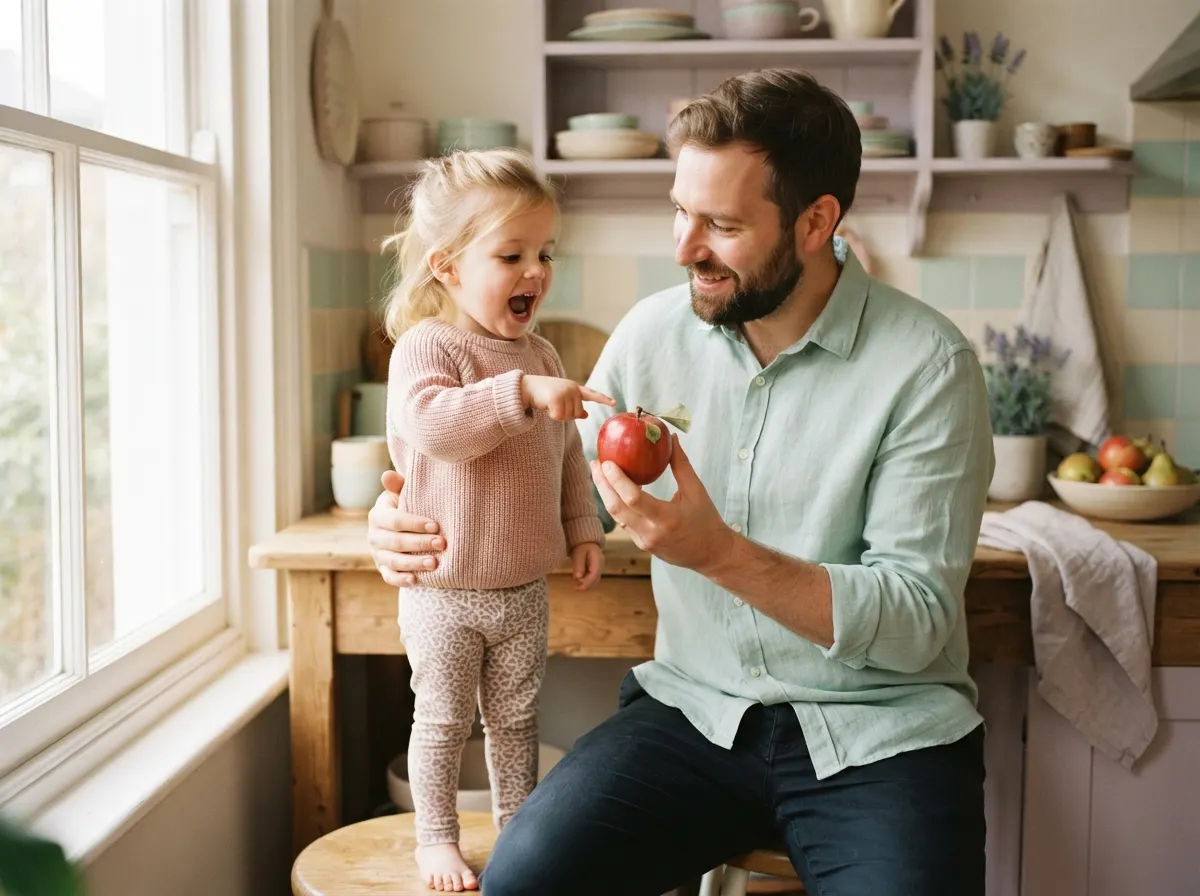
When your toddler points or stares at something, name it. This is called following their lead, and it is powerful because they are already interested.
- They point at a dog: "Dog! A big dog. The dog says woof."
- They pick up a spoon: "Spoon. Your spoon."
- They watch a bus: "Bus. The bus is going."
Read together every day
Books give your toddler words they might not hear in everyday life. You do not have to read every word on the page. Point at pictures, name things, make the animal sounds and ask simple questions like "Where is the cat?".
Board books with real photos, flaps or sounds are perfect at this age. Reading the same favourite book again and again is good, not boring. Repetition is how words stick.
First words board book
Sturdy pages with everyday things: apple, ball, car, cup. Point and name together.
Sing songs and rhymes
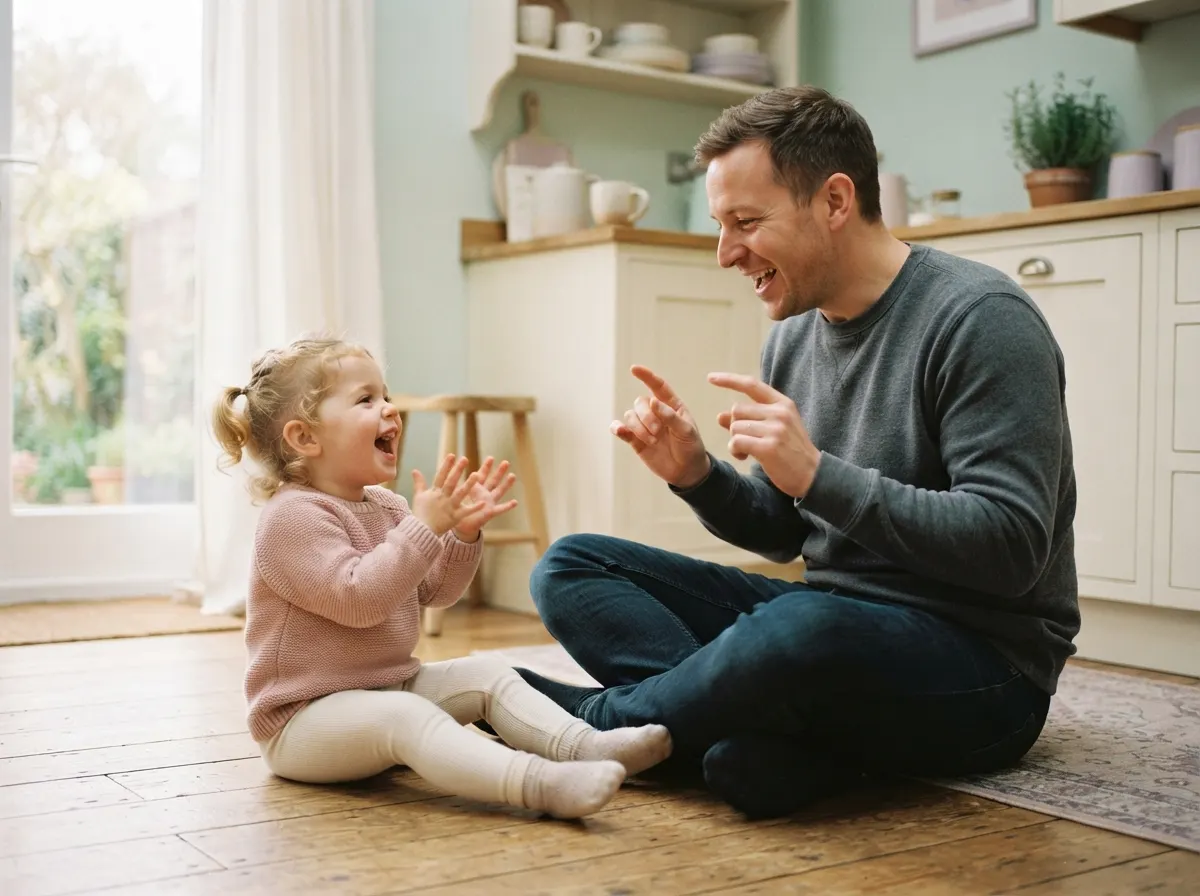
Songs slow language down, repeat words and add actions, which makes them easier to learn. Try nursery rhymes with hand movements, songs about body parts, or making up songs about bath time and tidying up. Leave out the last word of a line and let your toddler fill it in.
Pause and wait
This is the habit most of us forget. After you ask a question or say the start of a familiar phrase, stop and wait. Count to five in your head. Toddlers need time to find their words, and if we fill every silence, they do not get the chance.
- Say "Ready, steady," then wait for "go!"
- Hold up two snacks and wait for them to point or name one.
- Put a favourite toy just out of reach and wait for them to ask.
What activities help with toddler speech at home?
Here are some easy, everyday games that build vocabulary:
- Feely bag. Put familiar objects in a bag and take turns pulling one out and naming it.
- Pretend play. Feeding teddy, having a tea party or shopping with play food. "Teddy wants an apple. Yum!"
- Sorting. Sort laundry by colour or toys by type, and name as you go.
- Animal sounds. Animals and their sounds are often among the first words toddlers enjoy saying.
- Photo albums. Look at photos of family and name each person.
- Outdoor walks. Name everything: tree, bird, puddle, leaf, car.
- Choices. Offer two options instead of a yes-or-no question. "Milk or water?"
Play food set
Wooden apples, bread and veggies to feed teddy, just like feeding Bo in Baby Games.
How many words should a toddler say?
Children vary a lot, and many talk later and then catch up quickly. As a rough guide, the CDC's 2022 milestone checklists say that by 18 months most children try to say three or more words besides "mama" or "dada", by 2 years most say at least two words together, like "more milk", and by 30 months most say about 50 words.
Understanding usually runs ahead of speaking. Many toddlers understand far more than they can say, which is why following simple instructions and pointing count too. You can see the full first-year picture in our guide to baby milestones.
If you are worried about your toddler's speech, understanding or hearing, or if they lose words they used to say, talk to your doctor, health visitor or paediatrician. This article is educational, not medical advice, and getting support early can really help.
What should I avoid when helping my toddler talk?
- Correcting every mistake. If they say "nana", simply repeat it back correctly: "Yes, banana!"
- Pressure to perform. Asking "say dog, say dog" often makes toddlers go quiet.
- Too many questions. Mix questions with comments. "You found a ball" invites talk without testing.
- Background noise all day. A TV on in the background can reduce how much you talk to each other.
Can apps help toddlers learn words?
Real conversation is what drives language. A short app session played together can be a fun extra if you talk about what you see, but it should never replace books, songs and chat. Our honest guide to screen time for toddlers explains what the WHO and AAP recommend.
Baby Games: Toddler Learning, for iPhone and iPad, is made for ages 1 to 4. Bo the bear introduces animals, colours, shapes, numbers 1 to 10 and letters A to Z, with a voice in 6 languages, which can be lovely for bilingual families. Each daily Play Time is 3 to 5 short games ending with a sticker, and the parent area shows minutes played and words learned. There are no ads. See the Baby Games page for more.
The best way to use it is side by side: say the words with Bo, then find the same things around the house.
For more ideas, see our guide to learning toys by age and the first books section of our shop.
Frequently asked questions
When do most toddlers say their first words?
Many babies say a first word around their first birthday, often "mama", "dada" or a special name. The range is wide, and many children start later and catch up.
Should I use baby talk with my toddler?
A warm, sing-song voice is natural and helpful. Use real words, though, like "dog" alongside "woof woof", so your toddler hears the word they will need.
Does a bilingual home slow down speech?
Bilingual children may mix languages or have a slightly smaller vocabulary in each one at first, but this is a normal part of learning two languages. If you have concerns, talk to your health professional.
How much should I read to my toddler?
Every day if you can, even for a few minutes. Short and often works better than long and rare.
Some links on this page go to Amazon. As an Amazon Associate we earn from qualifying purchases. It never changes the price you pay.